Atheology Wordart Background
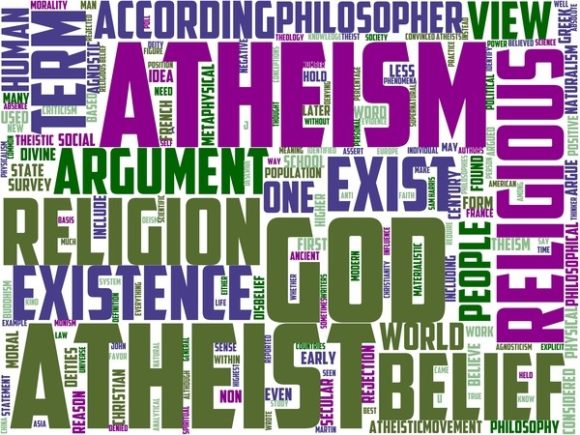
At its core, the Atheology Wordart Background is a hand-drawn, vibrant wordcloud—designed not as data visualization, but as expressive visual language. Unlike algorithm-generated clouds, this one breathes with intention: each word is carefully placed, sized, and styled by hand; colors shift organically; lines have gentle imperfections that invite the eye to linger. It’s not about measuring frequency—it’s about resonance. The words themselves—like “curiosity,” “reason,” “wonder,” “clarity,” “ethics,” “freedom,” “inquiry”—form a quiet manifesto: thoughtful, grounded, and human-centered.
Why This Wordart Speaks Differently to Different People
What makes the Atheology Wordart Background adaptable isn’t just its visual charm—it’s how meaning shifts depending on who’s holding it, and why.
For educators teaching philosophy, ethics, or critical thinking, this background becomes a conversation starter—not as doctrine, but as an invitation. A high school teacher might print it on cardstock and cut out individual words for a “values sorting” activity. A university lecturer could layer it subtly behind a slide on secular humanism, letting students notice the terms over time—not as slogans, but as living ideas.
Small business owners running ethical brands—think sustainable apparel, independent bookshops, or wellness studios—often seek design elements that reflect integrity without dogma. Here, the Atheology Wordart Background works quietly: printed on fabric tags, embossed on recycled paper packaging, or scaled down as a watermark on invoices. It signals alignment—not through belief statements, but through tone, texture, and thoughtfulness.
For crafters and textile designers, the appeal lies in structure and flexibility. Because it’s delivered as a high-resolution PNG with transparent background (and often layered vector files), it scales cleanly from embroidery floss guides to full-yard fabric repeats. One maker used it as the base for a quilt block series—tracing key words onto linen, then stitching around them in contrasting thread. Another adapted the color palette into a custom yarn-dyeing recipe.
How Skill Level Shapes Use—and What Matters Most
Beginners often gravitate toward simplicity: drag-and-drop use in Canva, quick resizing for Instagram story templates, or printing straight onto iron-on transfer paper for tote bags. For them, reliability matters most—no broken links, no missing fonts, no surprises when scaling. The Atheology Wordart Background delivers that: it’s ready-to-use, requires no design software, and comes with clear usage notes (including personal and small-commercial licenses).
Experienced designers approach it differently. They look at spacing rhythm, negative space balance, and typographic contrast—not to change the artwork, but to build *around* it. A graphic designer creating a conference program used the wordcloud as a textured underlay beneath clean sans-serif headers, letting the hand-drawn warmth soften the formality without competing. A branding consultant embedded select words into a client’s logo lockup—not as literal text, but as subtle line-art motifs in the letterforms.
Hobbyists and mixed-media artists treat it like raw material. One collage artist scanned the wordcloud, then physically cut and reassembled sections into a journal spread exploring doubt and discovery. Another used it as a stencil base, layering acrylic glazes over it on canvas before sanding parts away—revealing fragments of meaning beneath pigment.
Practical Uses Across Real Projects
- Teachers: Print on sticker paper and distribute “word tokens” students can place on classroom charts to mark moments of evidence-based reasoning or respectful disagreement.
- Bloggers & Writers: Use a cropped section as a header image for posts on science communication, secular ethics, or philosophy outreach—adding quiet authority without preachiness.
- Event Planners: Incorporate it into digital invitations for lectures, book launches, or community dialogues—especially where tone matters more than theology.
- Publishers: Apply it as endpaper design for nonfiction titles on skepticism, cognitive science, or moral philosophy—creating tactile cohesion between content and cover.
- Home Decor Enthusiasts: Frame a large-scale print as wall art in a study or reading nook—not as statement, but as ambient reinforcement of intellectual space.
What to Consider Before You Use It
Not every wordcloud fits every need—and that’s okay. Ask yourself:
- Is legibility important at small sizes? While beautiful at 8”x10” or larger, very fine script elements may blur below 2”. If you need crisp readability on business cards or app icons, consider using only the largest, boldest words—or pairing it with a simplified companion graphic.
- Do your brand colors align? The default palette is warm and varied—but it’s easily editable in any raster or vector editor. Many users adjust saturation or swap one hue to match their existing scheme, keeping the hand-drawn feel intact.
- Is commercial use part of your plan? Licenses typically cover small-batch physical goods (e.g., handmade mugs, limited-run notebooks) and digital products (e-books, printable planners). Always review the included license terms—especially if selling at scale or embedding in SaaS tools.
- Does it support your deeper goal? If you’re aiming to spark reflection—not declare allegiance—the Atheology Wordart Background excels. If you need doctrinal precision or theological argumentation, it’s not designed for that role.
Ultimately, this wordart works best when treated as a collaborator—not a shortcut. Its value grows when paired with your own voice, your audience’s context, and your project’s purpose. A student designing a zine on questioning assumptions uses it differently than a nonprofit producing voter-education materials—but both find utility in its clarity, warmth, and quiet confidence.
It won’t replace deep research, careful writing, or meaningful dialogue. But it can hold space for those things to happen—with color, care, and a little handmade grace.