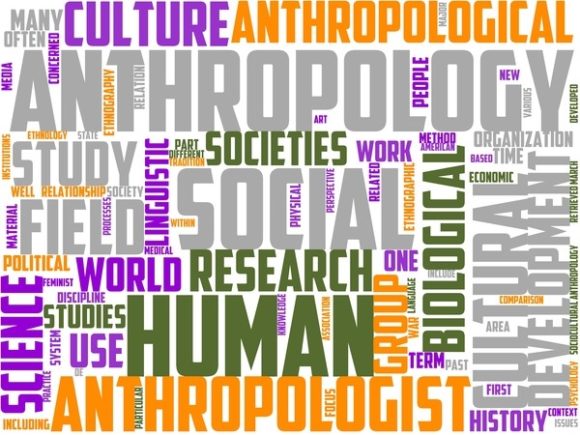
Anthropology Wordart Wallpaper
Anthropology Wordart Wallpaper is a hand-drawn, colorful wordcloud designed not as passive decoration—but as a functional visual asset. It’s built from layered, culturally resonant terms—ritual, kinship, symbol, fieldwork, ethnography, tradition, identity, meaning, community, and more—arranged with organic balance and intentional visual rhythm. Unlike generic clipart or algorithm-generated clouds, this design carries aesthetic integrity and conceptual cohesion. That makes it especially useful when you need to signal depth, curiosity, and human-centered thinking—not just fill space.
Where It Fits in Your Creative or Professional Workflow
This isn’t a standalone graphic—it’s a modular element that slots into multiple phases of a project. Before launching a new product line, for example, designers often use Anthropology Wordart Wallpaper as a moodboard anchor: printed at scale behind early sketches, pinned to studio walls during concept reviews, or embedded into slide decks to reinforce thematic framing. During production, textile artists scale and isolate individual words to align with seam lines on tote bags or pillow covers; educators embed fragments into lesson plan headers or student handouts to visually cue anthropological thinking. After launch, marketers repurpose sections as social media story stickers, email newsletter dividers, or subtle watermark textures behind testimonials.
Its strength lies in flexibility without fragmentation. Because the original file includes high-resolution vector and PNG variants (with transparent backgrounds), it adapts cleanly whether you’re screen-printing on cotton, laser-cutting felt patches, or exporting for digital ad specs. No re-rasterization, no quality loss—just consistent fidelity across physical and digital outputs.
Integration With Tools You Already Use
You don’t need new software to make Anthropology Wordart Wallpaper work. It imports natively into Adobe Illustrator, Photoshop, InDesign, Canva, Affinity Designer, and Figma. In Canva, drag-and-drop the PNG onto any template—then use the background remover tool to extract specific words for custom layouts. In Illustrator, ungroup layers to edit color swatches individually, matching brand palettes or seasonal collections. In InDesign, place it as an inline graphic inside text frames for dynamic typographic contrast.
For educators building digital course materials, it works seamlessly with Google Slides and PowerPoint: insert as a full-slide background, then overlay clean sans-serif text for readability. For print-on-demand sellers, upload the vector file directly to platforms like Printful or Gelato—their preflight systems recognize embedded fonts and transparency without prompting edits.
Real-World Implementation Examples
- Small Business Branding: A boutique anthropology-themed gift shop used the wordcloud as the base layer for their packaging tape design—rotating and tiling sections so “language,” “artifact,” and “narrative” repeated subtly along each roll. Customers photographed and shared the tape online, extending organic reach.
- Educational Publishing: An open-access textbook publisher embedded scaled-down versions of the cloud into chapter opener spreads—each chapter highlighting one central term (“exchange,” “belief,” “migration”) while keeping the rest softly visible in the background. This created continuity across 14 chapters without visual fatigue.
- Event Promotion: A university department designing an annual fieldwork symposium printed the full cloud on matte-finish banners, then cut out individual words (“fieldnotes,” “context,” “voice”) to mount as 3D paper elements on registration desks—blending graphic identity with tactile engagement.
Preparation and Organization Tips
Start by downloading both vector (.ai/.svg) and raster (.png) versions. Store them in a clearly labeled folder—e.g., “Assets / Wordart / Anthropology Wallpaper”—within your main project library. If you use cloud storage, add descriptive tags: print-ready, transparent-bg, color-customizable. This saves time later when searching across dozens of projects.
Before scaling for large-format printing (banners, wall decals), check resolution thresholds: vector files scale infinitely, but if using the PNG, verify it’s at least 300 DPI at final dimensions. For apparel, confirm fabric type compatibility—digital textile printers handle fine linework well, but discharge or screen printing may require slight stroke thickening for legibility on dark garments.
Consistency and Quality Control
Maintain visual consistency by defining one primary usage rule per project. For example: “Only use full-cloud layouts for cover art; isolated words only for interior accents.” This prevents overuse and preserves impact. When adapting colors, limit palette shifts to two or three core hues—avoid recoloring every word differently unless that’s part of a deliberate design system (e.g., mapping color to thematic categories like “methods,” “concepts,” “contexts”).
For team-based workflows, share a short style guide PDF alongside the files: include recommended minimum sizes, safe margins for cutting, and examples of approved vs. discouraged applications. This reduces revision rounds and keeps collaborators aligned—even if they’re contractors working remotely.
Long-Term Usability and Adaptation
Anthropology Wordart Wallpaper holds up over time because its content avoids trend-dependent phrasing. Terms like “ontology,” “emic,” and “reflexivity” remain relevant across decades of scholarship—and their visual treatment avoids dated gradients or skeuomorphic effects. That means you can reuse it across multiple product generations, conference cycles, or curriculum updates without feeling repetitive.
Still, avoid static repetition. Rotate orientation (flip horizontally for left-aligned layouts), adjust density (hide lower-frequency words for minimalist applications), or combine with complementary assets—like line-drawn maps or archival photo overlays—to keep compositions fresh. One educator reported using the same file for five years across different courses simply by varying how much of the cloud was visible: full view for introductory lectures, cropped sections for advanced seminar handouts, single-word callouts for discussion prompts.
Practical Next Steps
If you’re evaluating whether Anthropology Wordart Wallpaper fits your current needs, ask three questions:
- Does this support a message I’m already committed to—such as honoring cultural complexity, encouraging reflective practice, or celebrating interdisciplinary learning?
- Do I have a near-term use case where a hand-crafted, non-generic visual would add clarity or resonance? (e.g., a workshop banner, syllabus header, or product tag.)
- Can I integrate it within 20 minutes using tools I already own—or delegate that step to someone with basic design familiarity?
If two or more answers are yes, download the file, test one small application (a notebook cover, a social post border, a slide background), and observe how it performs. Note whether it improves comprehension, invites interaction, or strengthens perceived authenticity. That real-world feedback—not theoretical potential—is what determines lasting value.
Ultimately, Anthropology Wordart Wallpaper works best when treated as infrastructure: quiet, reliable, and ready. It doesn’t replace strategy or substance—but it does help those things land with greater precision, warmth, and intention.