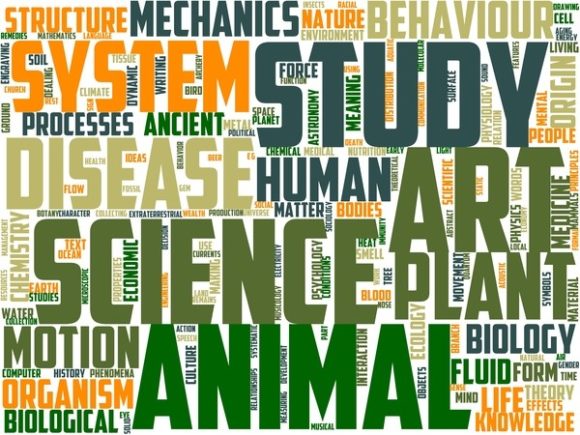
Aeropalynology Wordart Sublimation
At first glance, “Aeropalynology” sounds like a term from a scientific journal—because it is. It’s the study of airborne pollen and spores, vital to understanding climate patterns, allergy seasons, and ecosystem health. But in creative hands, Aeropalynology Wordart Sublimation transforms that academic concept into something tactile, joyful, and deeply personal: a hand-drawn, colorful wordcloud designed for real-world making.
This isn’t just decorative text. It’s a curated visual language—each word chosen for resonance, each curve and hue intentional—optimized for sublimation printing. That means it transfers cleanly onto polyester fabrics, ceramic mugs, aluminum tumblers, coated notebooks, and more, without cracking or fading. The result? Professional-grade, vibrant designs that feel handmade but perform like premium print assets.
Why This Wordcloud Stands Out
Unlike algorithm-generated word clouds, this Aeropalynology Wordart Sublimation design is hand-illustrated. Every letter has weight, rhythm, and character. Words like *pollen*, *wind*, *allergy*, *season*, *microscopic*, *ecology*, *airborne*, and *bloom* interlock organically—not stacked by frequency, but by meaning and visual balance. The palette leans into nature-inspired tones: soft ochres, sky blues, moss greens, and warm terracottas—colors that pop on both light and dark substrates.
What makes it especially useful is its intentional versatility. It’s not locked into one theme or tone. You can emphasize the scientific angle for an environmental educator’s workshop, lean into poetic abstraction for a wellness brand’s journal cover, or highlight the delicate beauty of airborne particles for a botanical textile line.
Creative Applications—Beyond the Obvious
Start with what you already make—or what your audience needs:
- Clothing & Accessories: Print on breathable performance tees for botany field trips, or sublimate onto tote bags for science outreach programs. The fine detail holds up beautifully on polyester blends used in sportswear and reusable gear.
- Home Décor & Textiles: Scale the design for throw pillows or wall tapestries. Because it’s vector-based (or high-res raster), it adapts cleanly—from 4-inch embroidery patches to 36-inch canvas prints.
- Educational Tools: Teachers use it on laminated flashcards for middle-school ecology units. Homeschoolers integrate it into nature journals. Museum gift shops feature it on postcards tied to pollen exhibit programming.
- Promotional Materials: A local allergy clinic pairs it with QR codes linking to seasonal forecasts. An eco-conscious apparel brand uses it as a subtle watermark on packaging tissue—elegant, informative, brand-aligned.
Adapting for Different Audiences—and Goals
Your role shapes how you use it. Here’s how:
- Designers & Freelancers: Treat it as a foundational element—not a final piece. Layer it over subtle textures, add custom icons (a microscope, a dandelion puff), or isolate individual words to build branded typography systems. Keep color values consistent across projects using the provided HEX or Pantone references.
- Small Business Owners: Use it to unify product lines. A candle maker scents their “Spring Air” blend with notes of birch and grass—and features the wordcloud on labels, stickers, and Instagram story templates. Consistency builds recognition without repetition.
- Educators & Nonprofits: Pair specific words with short definitions or data points. Print a version where *anemophily* (wind pollination) appears larger and is underlined—then use that same underline style across all classroom posters for visual continuity.
- Bloggers & Content Creators: Embed it in Pinterest-friendly infographics (“5 Things You Didn’t Know About Airborne Pollen”) or convert it into a printable checklist for backyard biodiversity tracking. Its hand-drawn quality signals authenticity—key for engagement.
Practical Tips for Best Results
Sublimation works best with precision. Here’s what matters:
- File Format Matters: Use the PNG with transparent background for layered digital work (Canva, Adobe Express). Use the high-DPI JPG or TIFF for large-format printing. Always check resolution—300 DPI minimum for anything over 8 inches wide. <
- Color Calibration: Screen colors shift. If you’re printing for client deliverables, run a test swatch on your target substrate first—especially for deep blues and muted greens, which can vary between printers.
- Scale Thoughtfully: The hand-drawn nature means tiny details (like cross-hatching in “spore” or delicate loops in “aero”) soften below 2 inches. For business cards or small magnets, simplify by spotlighting 3–4 key words instead of the full cloud.
- Keep It Legible: Even when artistic, prioritize readability. Avoid stacking words too tightly in dense clusters unless the context supports it (e.g., a scientific poster where viewers expect to study, not scan).
Where Inspiration Meets Execution
One craft studio in Portland uses the Aeropalynology Wordart Sublimation design as the anchor for a quarterly “Seasonal Science” collection—each release tied to local bloom cycles. Their first drop featured the wordcloud on ceramic mugs paired with seed paper tags embedded with native wildflower seeds. Customers didn’t just buy a mug; they engaged with timing, ecology, and place.
A freelance science communicator repurposed the layout into a vertical banner for virtual conferences. She replaced two scientific terms with audience-driven phrases—*“What’s in Your Air?”* and *“Track. Learn. Breathe.”*—keeping the original structure intact. The familiar visual gave attendees instant orientation—even in a crowded Zoom gallery.
None of these ideas require advanced tools. They start with seeing the wordcloud not as decoration, but as a flexible communication scaffold—one rooted in real science, expressed through accessible art.
Getting Started—Without Overcomplicating
You don’t need a studio or a budget to begin. Start small:
- Print a single 5×7 version on matte cardstock and use it as a desk reference or framing sample.
- Upload it to your favorite print-on-demand platform and mock up three products—say, a notebook, a phone case, and a set of enamel pins—to see which resonates most with your audience.
- Use one color variant (e.g., monochrome sepia) for a cohesive social media series—pair each post with a short fact about airborne pollen dispersal.
The strength of Aeropalynology Wordart Sublimation lies in its duality: it honors complexity while remaining approachable. It invites curiosity without demanding expertise. And because it’s built for real materials and real people—not just pixels—it stays useful long after the trend cycle ends.